Contents
- 1 Investing Wisely: A Guide to Making Sound Financial Decisions
- 1.1 Understanding Capital Investment
- 1.2 Setting Financial Goals
- 1.3 Diversification: The Key to Mitigating Risk
- 1.4 Research and Due Diligence
- 1.5 Monitoring and Adjusting Your Investments
- 1.6 Seeking Professional Advice
- 1.7 The Importance of Patience and Discipline
- 1.8 Taking Advantage of Tax Benefits
- 1.9 Embracing Continuous Learning
- 1.10 Conclusion
Investing Wisely: A Guide to Making Sound Financial Decisions
When it comes to capital investment and financial decisions, the stakes are high. Every choice you make can have a significant impact on your financial future. Whether you are an individual looking to grow your personal wealth or a business owner aiming to expand your operations, understanding the principles behind capital investment is crucial. In this article, we will explore the strategies and considerations that can help you make the most of your capital investments and ensure a prosperous financial future.
Understanding Capital Investment
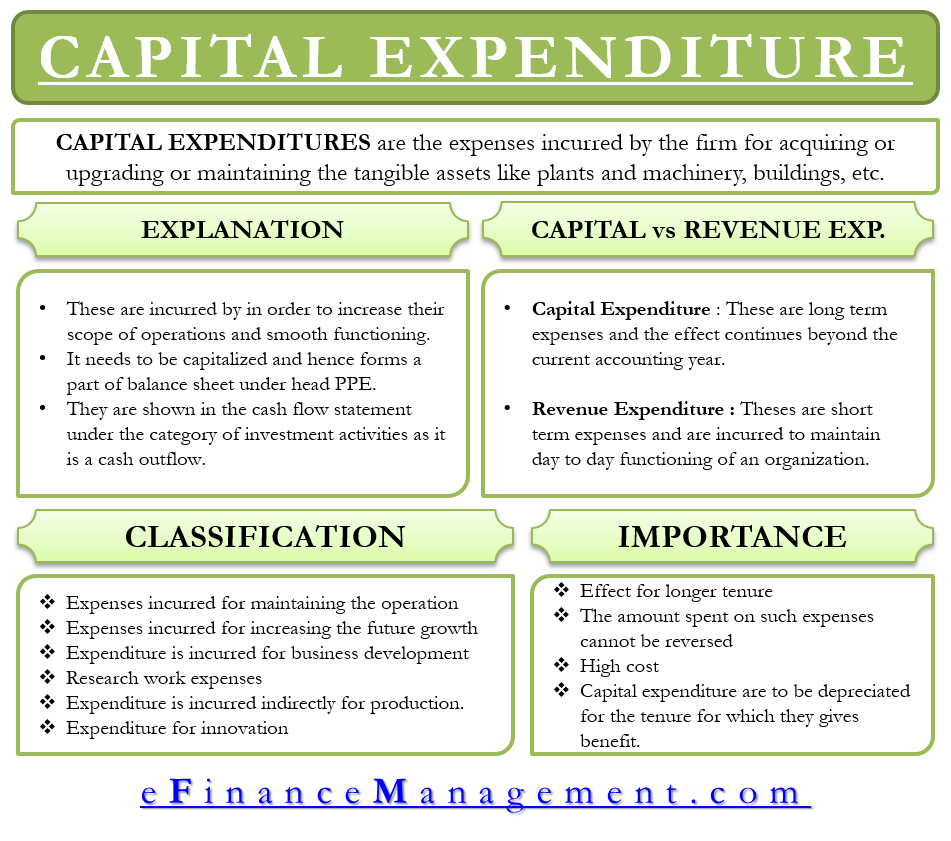
Capital investment refers to the allocation of funds towards assets or projects that are expected to generate long-term returns. This can include investments in stocks, bonds, real estate, or even starting a new business. The goal of capital investment is to grow and preserve wealth over time. However, making informed financial decisions requires careful analysis and evaluation of the potential risks and rewards associated with each investment opportunity.
Setting Financial Goals
Before making any capital investment, it is essential to define your financial goals. Are you looking to generate passive income, save for retirement, or fund a major purchase? By clearly defining your objectives, you can align your investment strategy accordingly. Setting specific, measurable, achievable, relevant, and time-bound (SMART) goals will provide you with a roadmap to guide your financial decisions.
Diversification: The Key to Mitigating Risk
One fundamental principle of capital investment is diversification. Spreading your investments across different asset classes and industries can help reduce the risk of losses. By diversifying your portfolio, you can potentially offset poor-performing investments with successful ones, ensuring a more stable financial position. This strategy allows you to minimize the impact of any one investment on your overall portfolio performance.
Research and Due Diligence
When it comes to capital investment, knowledge is power. Conducting thorough research and due diligence on potential investment opportunities is crucial. Consider factors such as historical performance, market trends, and the company’s financial health. It is also essential to evaluate the credibility and reputation of any financial institution or advisor before entrusting them with your investments. Taking the time to gather information and understand the risks involved will help you make informed decisions.
Monitoring and Adjusting Your Investments
Capital investment is not a one-time decision. It requires continuous monitoring and adjustment to ensure optimal performance. Regularly reviewing your portfolio’s performance and reassessing your investment strategy is crucial. Keep an eye on market trends, economic conditions, and any significant changes that may impact your investments. By staying informed and agile, you can make timely adjustments to maximize your returns.
Seeking Professional Advice
While it is possible to navigate the world of capital investment on your own, seeking professional advice can be incredibly beneficial. Financial advisors and wealth managers have the expertise and experience to guide you through the complexities of investment decisions. They can help you develop a personalized investment strategy based on your risk tolerance, financial goals, and time horizon. Working with professionals can provide you with peace of mind and increase your chances of making successful financial decisions.
The Importance of Patience and Discipline
When it comes to capital investment, patience and discipline are key. It is essential to resist the temptation to make impulsive decisions based on short-term market fluctuations. Instead, focus on your long-term goals and stick to your investment strategy. Avoid emotional investing and stay committed to your financial plan. Remember, successful capital investment is a marathon, not a sprint.
Taking Advantage of Tax Benefits
One often overlooked aspect of capital investment is the potential tax benefits. Understanding the tax implications of your investment decisions can help you optimize your returns. Consult with a tax professional to explore available tax incentives, deductions, or credits that may apply to your investments. By taking advantage of these opportunities, you can reduce your tax liability and increase your after-tax returns.
Embracing Continuous Learning
The world of capital investment is ever-evolving. To stay ahead, it is crucial to embrace continuous learning. Keep up with industry news, attend seminars or webinars, and read books or articles written by experts in the field. Developing a solid understanding of investment concepts and strategies will empower you to make informed decisions and adapt to changing market conditions.
Conclusion
Capital investment and financial decisions play a vital role in shaping your financial future. By understanding the principles behind capital investment, setting clear financial goals, diversifying your portfolio, conducting thorough research, and seeking professional advice, you can maximize your chances of success. Remember to stay patient and disciplined, take advantage of tax benefits, and embrace continuous learning. With a strategic and informed approach, you can pave the way for a prosperous financial future.